← Back
Contact Engineering

Wireless Environmental Monitoring Network

Large sites — cold-chain storage, factories, warehouses, healthcare facilities — need continuous temperature and humidity visibility, but running cables to every monitoring point is costly and disruptive, and battery-powered sensors are useless without a reliable way to collect and forward their data to a backend.
Wireless Environmental Monitoring Network
Step 01

Distributed Wireless Sensing

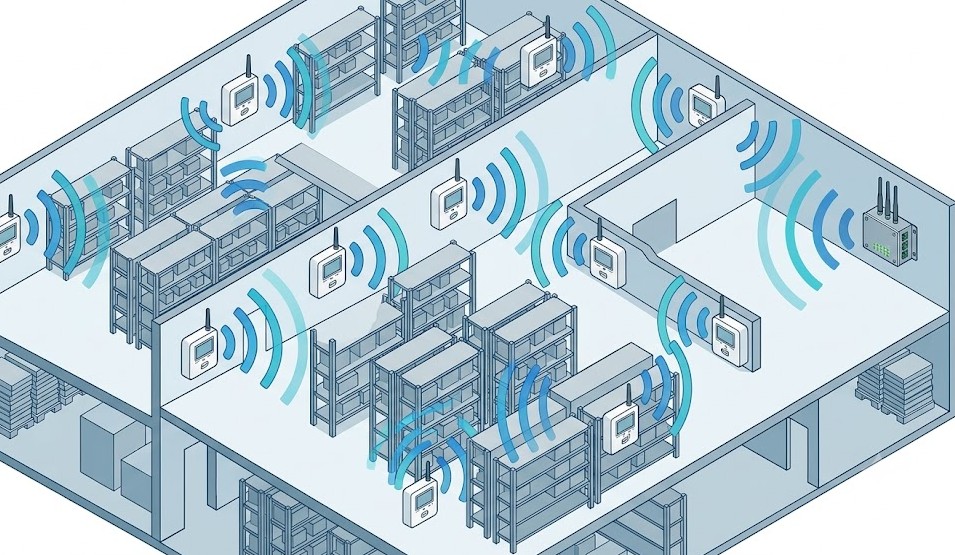
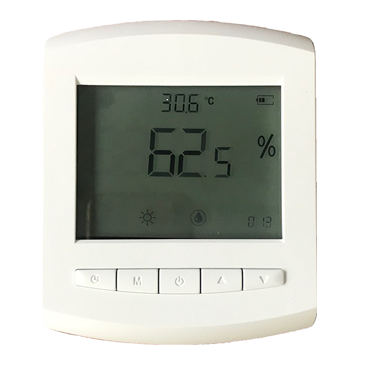
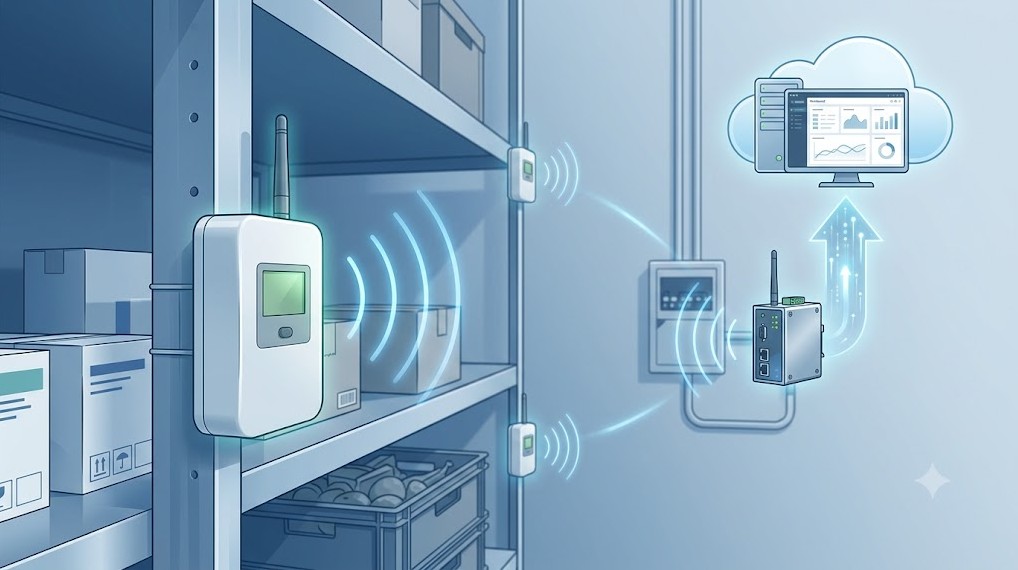
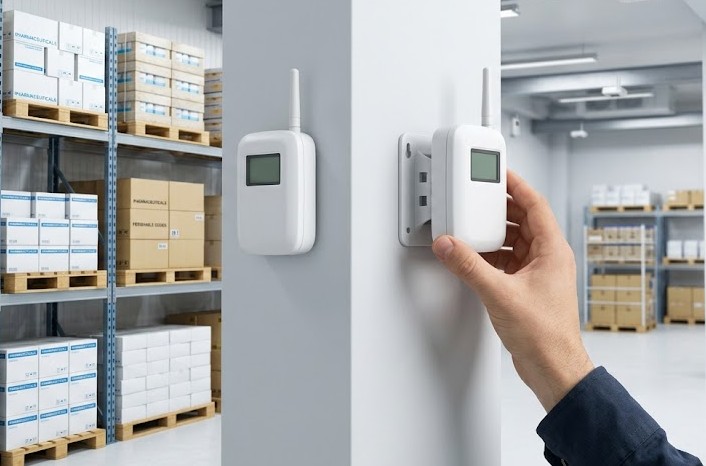
Micro-power temperature and humidity sensors are installed at each monitoring point with adhesive or brackets. Each node measures on a configurable 5-to-240-minute cycle, shows live readings on its built-in LCD, and raises on-device over-threshold alarms — operating maintenance-free for more than 5 years on an internal battery.

Distributed Wireless Sensing
Step 02

Self-Organizing Sub-GHz Uplink

Sensors transmit readings over a 470 MHz radio link (frequency customizable) with -136 dBm gateway sensitivity and more than 5 km line-of-sight range. Nodes automatically register to the gateway and automatically route through repeaters, so coverage extends across obstructed or large sites without manual addressing or cabling.

Self-Organizing Sub-GHz Uplink
Step 03

Ethernet Bridge to Backend

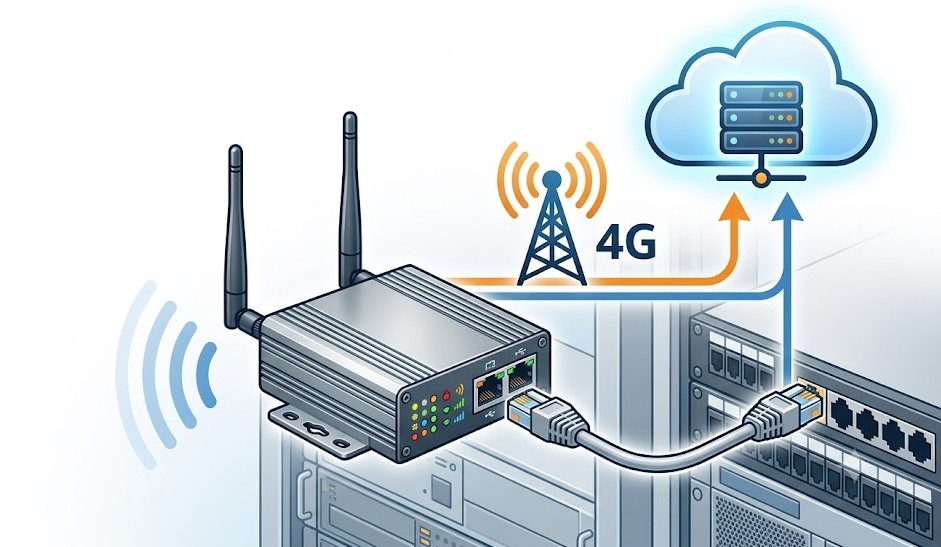
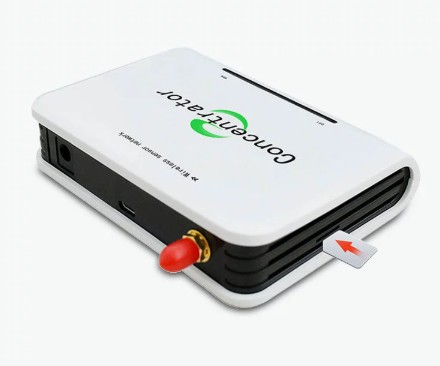
The gateway aggregates all sensor data and forwards it to a backend server — through a wired RJ45 port using TCP/IP sockets for sites with existing LAN, or through a 4G LTE cellular connection (via SIM card) for remote and off-grid locations — supporting both a fixed IP and a server domain name. Configuration is done from any browser; no custom software is required on-site.

Ethernet Bridge to Backend
Step 04

Threshold Alerts & Centralized Monitoring

When a sensor crosses a configured limit it triggers an immediate wireless alarm report, while the backend consolidates every node's temperature, humidity, and battery-voltage stream into unified dashboards. Operators gain full-site environmental visibility for cold-chain compliance, energy optimization, and early equipment-fault detection.

Threshold Alerts & Centralized Monitoring

System Integration Logic

Deploy the micro-power wireless temperature & humidity sensors together with a wireless sensor network gateway (available in two backhaul variants — RJ45 Ethernet for sites with existing LAN, or 4G LTE cellular for remote locations with no network infrastructure) to build a self-organizing, cable-free monitoring network. Sensors periodically measure and report over a sub-GHz radio link; the gateway auto-registers nodes, auto-routes through repeaters, and bridges all readings to a backend server — delivering centralized, real-time environmental data with no sensor wiring and minimal on-site IT.

Required Assets

Key Benefits

Achieve full-site temperature and humidity coverage with zero cabling and minimal maintenance — 5-year battery life removes replacement cycles, self-routing scales from a single room to an entire site, and centralized data enables cold-chain compliance, energy savings, and early fault detection.