Personal Trackers 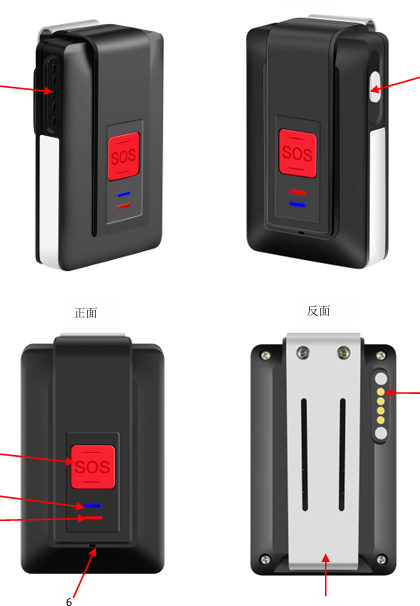
4G Personal GPS Tracker KM-WT2
Compact 4G personal tracker with two-way calling, fall detection, intelligent power saving, and IP67-rated durability
Compact 4G personal tracker with two-way calling, fall detection, intelligent power saving, and IP67-rated durability
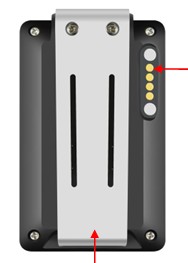
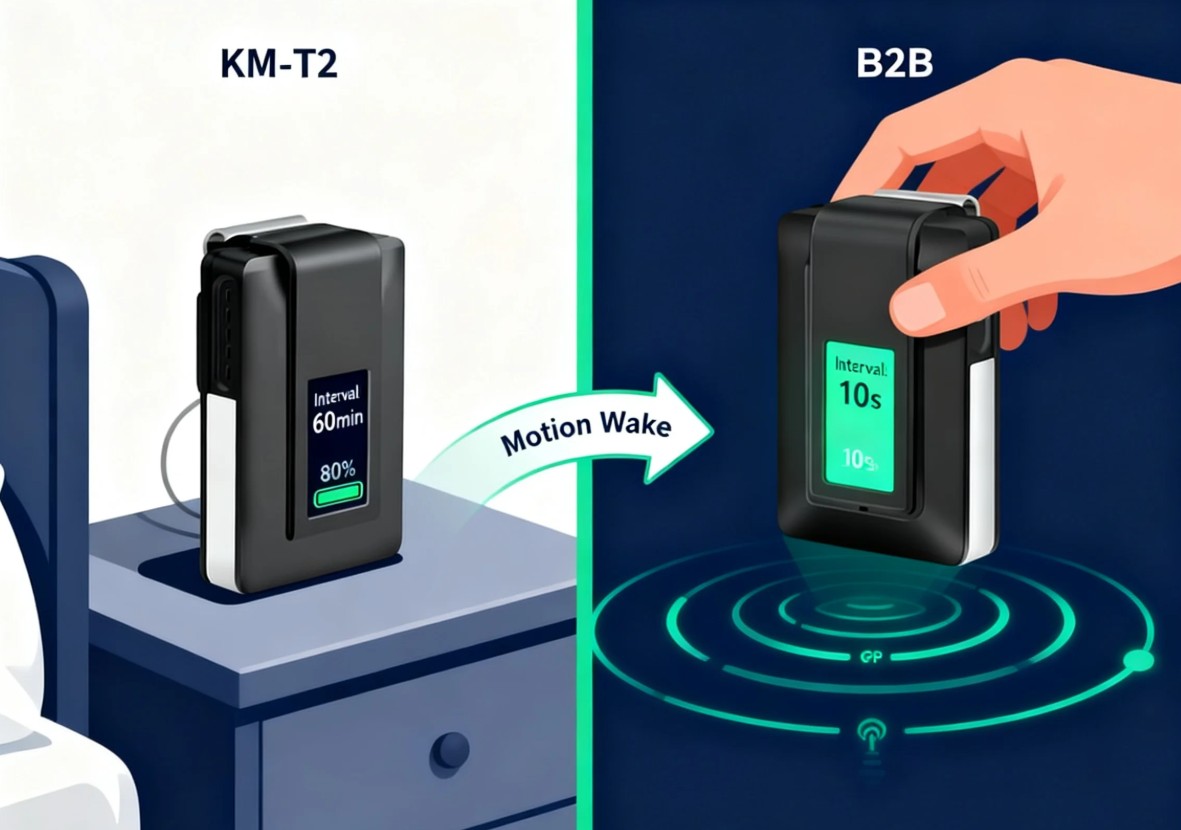
When the device detects prolonged stationarity, low speed, and no alarm triggers, it progressively extends its tracking upload interval — from minutes to up to one hour — conserving battery without disabling protection. Any motion, SOS activation, fall event, incoming command, or location deviation instantly restores real-time tracking. This adaptive strategy extends battery life up to several days on a 1250mAh cell, reducing charging frequency for vulnerable users who may forget to recharge.
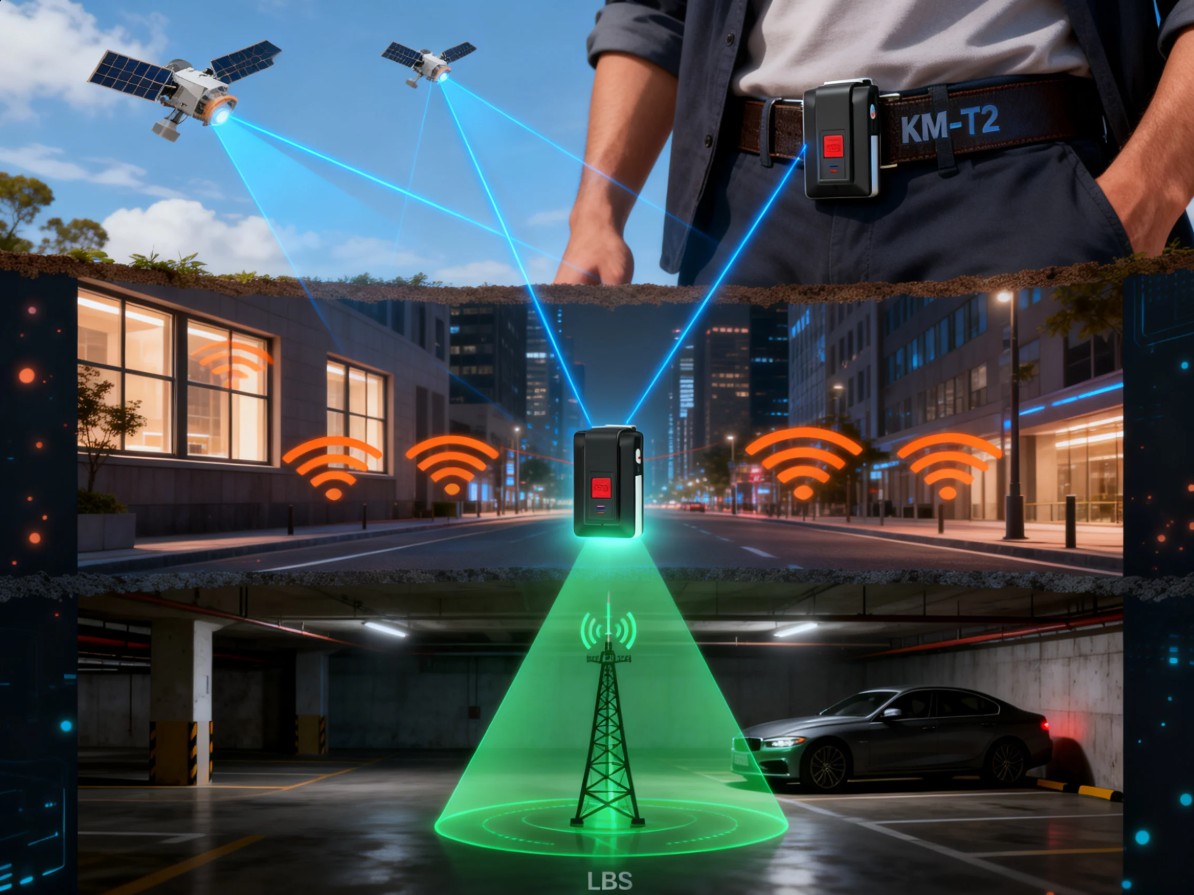
GPS delivers sub-10-meter outdoor accuracy with cold-start acquisition at -148dBm sensitivity and 36-second time-to-first-fix. When GPS signals degrade indoors or in urban canyons, WiFi sniffing and GSM base-station triangulation (LBS) automatically fill the gap — ensuring continuous location visibility as the wearer moves between buildings, parking structures, and open spaces. This multi-layer approach eliminates the blind spots that single-mode trackers leave behind.
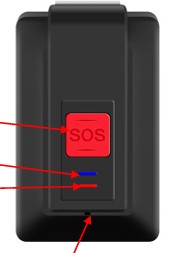
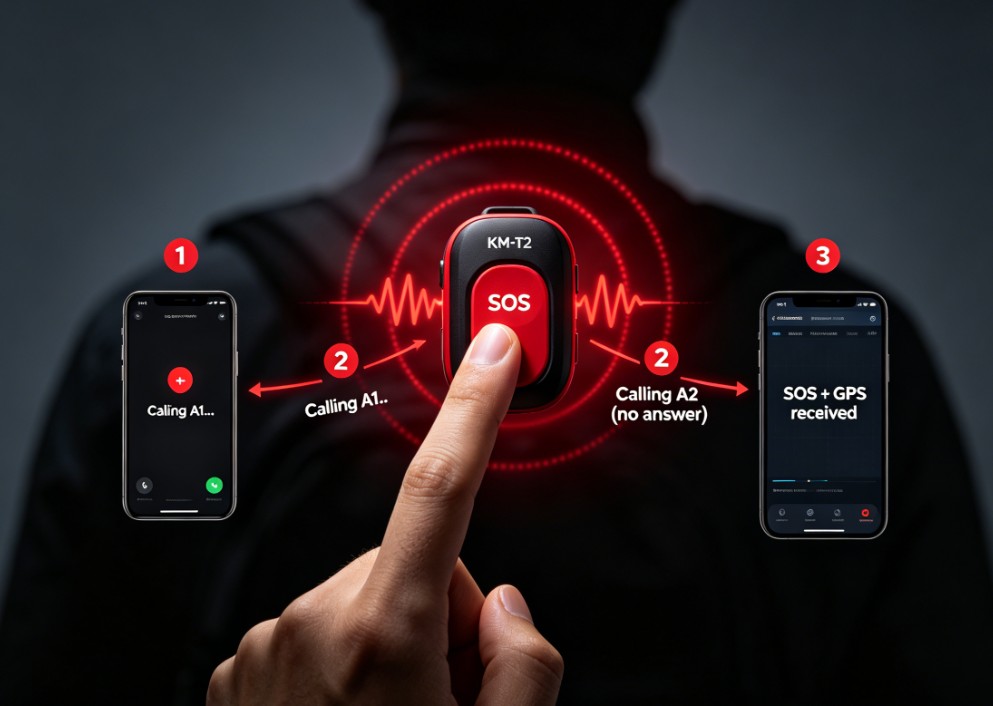
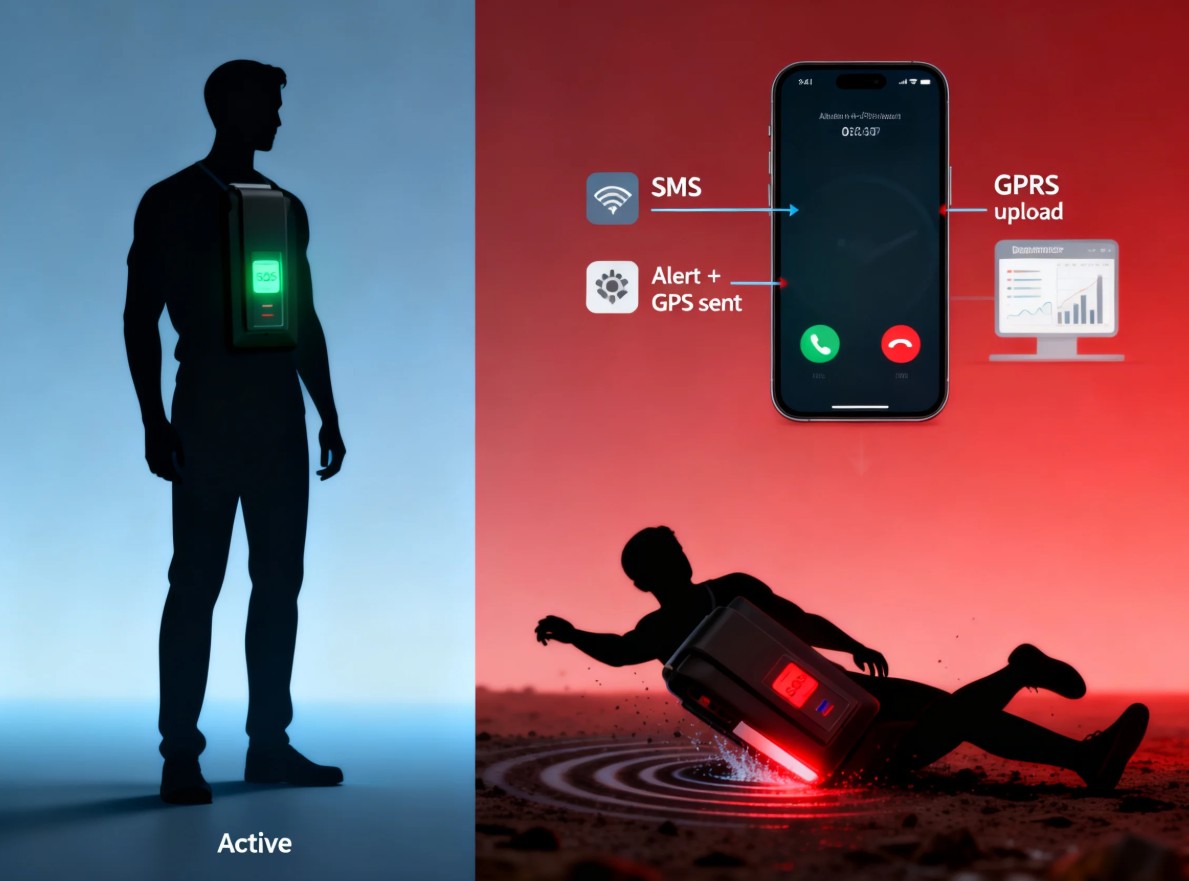
A long press of the SOS button triggers a three-second countdown, then acquires a fresh GPS fix and begins dialing authorized contacts in sequence — A1 through A8 — continuing until someone answers. Simultaneously, the device uploads an alert with real-time location via GPRS to the monitoring platform and sends SMS notifications. This closed-loop escalation ensures no emergency call goes unanswered, compressing response time when every second counts.
A built-in Ballistocardiography Motion Analysis (BMA) sensor detects falls and prolonged motionlessness, automatically triggering SMS alerts with GPS coordinates and GPRS data upload to the platform. Combined with configurable sensitivity and the device's two-way voice capability, caregivers can immediately listen in or call back to assess the situation — converting an automated alarm into a verified emergency response within seconds.
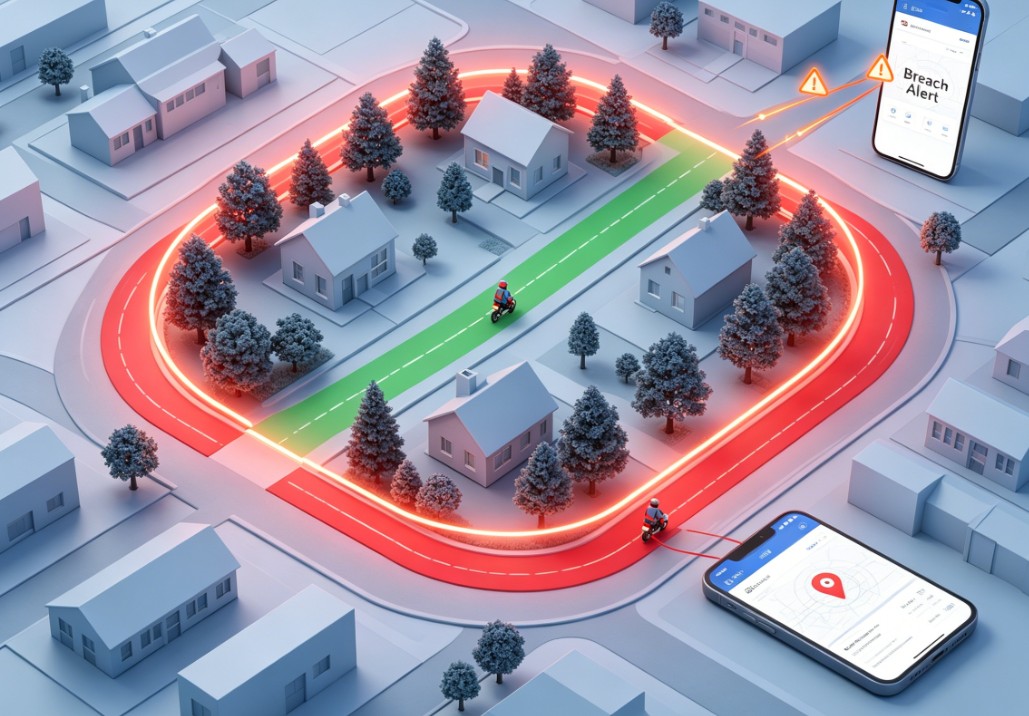
Define virtual perimeters and receive instant SMS and platform alerts when the device enters or exits a designated zone. For dementia care, child safety, or lone-worker site compliance, this provides automated boundary enforcement without constant manual location checks — reducing caregiver workload while closing the window on wandering incidents.
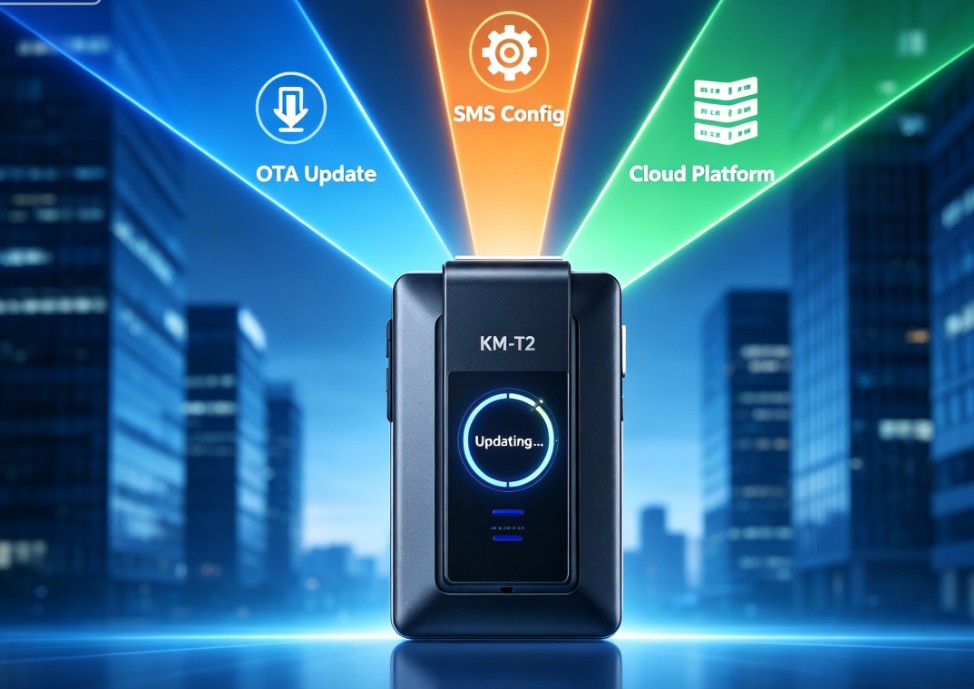
All device parameters — authorized numbers, reporting intervals, alert thresholds, APN settings, and power-saving behavior — are configurable remotely via SMS, USB serial tool, or GPRS platform commands. Firmware-over-the-air (OTA) updates deploy new features and security patches without physical device retrieval. This remote manageability makes large-scale deployments feasible with minimal field-service cost.
Connect directly with our engineering desk. Submit your active project blueprint parameters below.
For technical consultations, sample validation, or deployment synchronizations, connect directly with us via:
WhatsApp Online Microsoft Teams